Inspirational journeys
Follow the stories of academics and their research expeditions
2026 U.S. HR Compliance Checklist for Small & Mid-Sized Businesses: Essential Updates You Can’t Afford to Miss

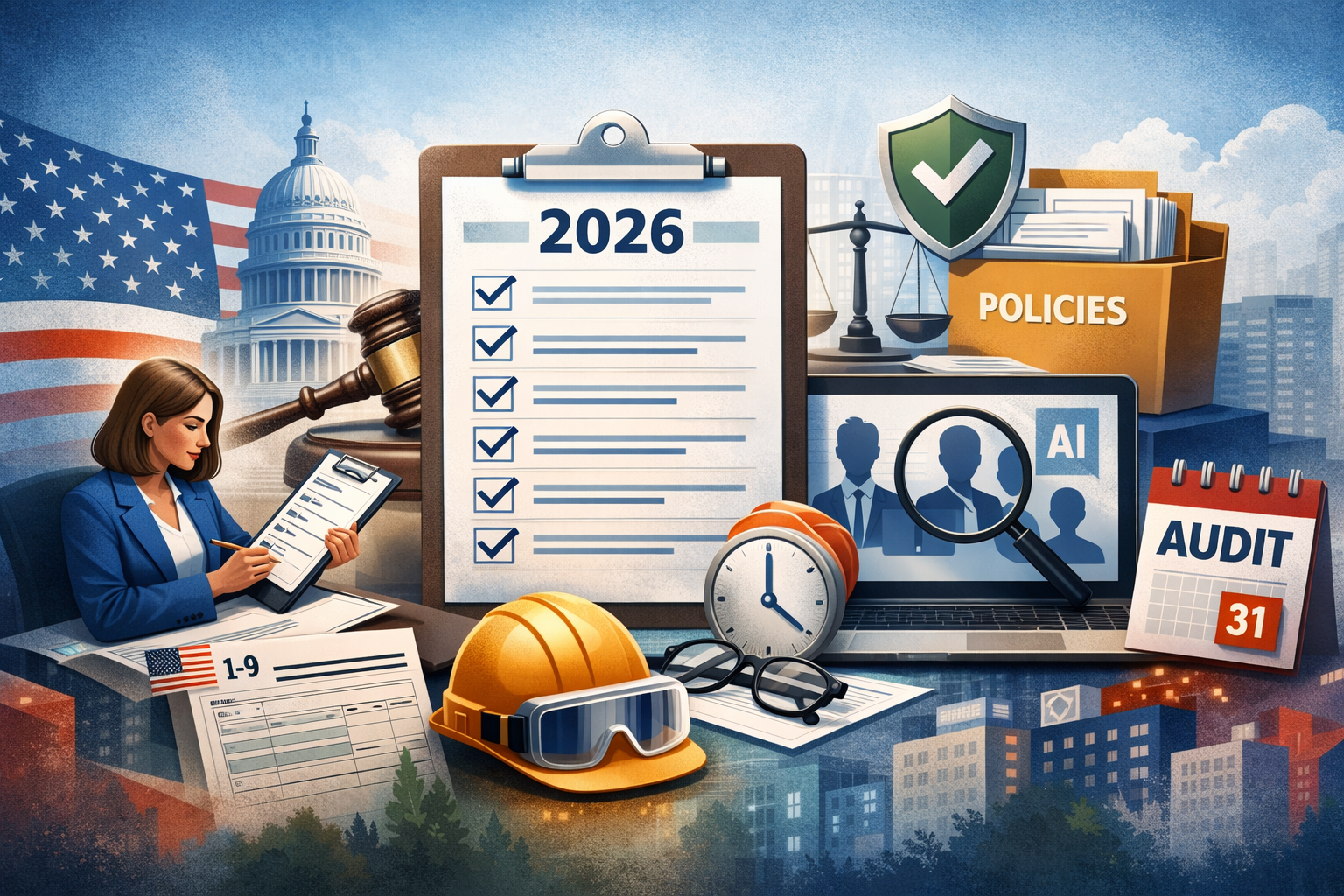
Stay ahead with this HR compliance checklist 2026 guide for small and mid-sized businesses. Learn key US labor law update changes and protect your company from costly penalties.
Staying compliant with employment laws has never been more important—or more complex. As we move into 2026, HR managers must navigate new regulations, evolving federal and state mandates, and increased enforcement activity. For small and mid-sized businesses (SMBs), even one oversight can lead to fines, lawsuits, or reputational damage.
This practical guide outlines the HR compliance checklist 2026 every HR leader should review. Whether you’re building HR infrastructure from the ground up or refining established systems, understanding the latest US labor law update changes is critical to protecting your organization.
Why 2026 Is a Defining Year for HR Compliance
Several regulatory shifts are reshaping the compliance landscape:
- Expanded wage transparency
requirements
- Stricter worker classification
rules
- Updated overtime eligibility
thresholds
- Increased scrutiny of AI in
hiring
- Enhanced OSHA enforcement
Federal agencies such as the U.S. Department of Labor (DOL) and the Equal Employment Opportunity Commission (EEOC) are increasing audits and investigations. At the same time, many states are passing laws that exceed federal minimum standards. If your policies and procedures haven’t been reviewed in the last year, your organization may already face exposure.
HR Compliance Checklist 2026: Key Areas to Review
1. Wage & Hour Compliance
Start with the fundamentals. Confirm that your organization complies with updated minimum wage rates at both federal and state levels. Review exemption classifications under the Fair Labor Standards Act (FLSA), especially in light of new salary threshold adjustments included in recent US labor law update guidance.
Audit timekeeping systems for accuracy. Ensure non-exempt employees are properly tracking hours worked, including remote work. Reevaluate meal and rest break policies to align with state-specific rules.
Wage and hour violations remain one of the most common—and costly—compliance failures.
2. Worker Classification & Independent Contractors
Misclassification of workers continues to be a major enforcement priority. Reassess whether independent contractors meet legal tests under IRS and DOL standards. Clearly document classification decisions and update contractor agreements accordingly.
If your business relies on gig workers, consultants, or freelancers, this area demands careful review. Penalties for misclassification can include back wages, taxes, and additional fines.
3. Pay Transparency & Equal Pay
Many states now require employers to include salary ranges in job postings and provide pay scale information upon request. Conduct internal pay equity audits to ensure fair and defensible compensation practices.
Train hiring managers to discuss pay in compliance with evolving transparency laws. The EEOC offers helpful guidance on equal pay standards at https://www.eeoc.gov.
Aligning compensation strategy with the HR compliance checklist 2026 not only reduces legal risk—it also strengthens employer credibility and employee trust.
4. Employee Handbook & Policy Updates
Your employee handbook should reflect current laws and workplace realities. Review and revise:
- Anti-discrimination and
harassment policies
- Remote and hybrid work
guidelines
- Leave policies (FMLA, paid sick
leave, state mandates)
- Social media and AI usage
policies
- Complaint reporting and investigation procedures
Outdated policies are more than administrative oversights—they’re legal vulnerabilities. Ensure employees acknowledge updated handbooks in writing.
5. I-9 & Immigration Compliance
With immigration enforcement increasing, conduct internal I-9 audits to verify documentation accuracy and retention compliance. Train HR staff on remote verification rules and correct storage procedures. Even small technical errors can result in significant penalties per form.
6. OSHA & Workplace Safety
The Occupational Safety and Health Administration (OSHA) continues to strengthen oversight, particularly in high-risk sectors. However, all workplaces—including office settings—must comply with general safety requirements.
Review safety training programs, hazard assessments, incident reporting processes, and required postings. Proactive safety compliance reduces liability and fosters a culture of accountability.
7. AI & Technology in Hiring
As artificial intelligence becomes more integrated into recruitment, regulatory scrutiny is intensifying. Audit screening tools for bias, ensure transparency in decision-making, and document hiring outcomes. Failure to evaluate AI-related risk could result in discrimination claims under federal or state law.
8. Data Privacy & Recordkeeping
Employee data protection is no longer optional. Review storage systems, limit access to sensitive information, and implement cybersecurity safeguards. State privacy laws continue expanding, and breaches involving employee data can damage both finances and reputation.
Common Compliance Gaps in SMBs
Small and mid-sized businesses often struggle with:
- Limited internal HR resources
- Outdated documentation
- Inconsistent enforcement of
policies
- Reactive rather than proactive
compliance planning
Compliance must be ongoing—not a once-a-year checklist exercise. The HR compliance checklist 2026 should serve as a structured framework for quarterly reviews.
Turning Awareness into Action
Understanding regulatory changes is only the first step. Implementing a structured compliance strategy tailored to your workforce and industry is what truly protects your organization.
At HRC Service, we support SMBs by:
- Conducting comprehensive HR
compliance audits
- Updating policies and handbooks
- Reviewing wage and
classification practices
- Preparing organizations for
government audits
- Establishing ongoing monitoring systems, If you’re uncertain whether your organization aligns with the latest US labor law update requirements, now is the time to act.
Free Resource: 2026 HR Compliance Checklist
To simplify your next review, download our 2026 HR Compliance Checklist for SMBs. This practical tool helps you:
Identify compliance gaps
Track regulatory updates
Document corrective actions
Prepare confidently for audits
Proactive compliance strengthens employee trust, protects leadership, and supports sustainable growth.
Final Thoughts
Compliance in 2026 requires vigilance, documentation, and strategic oversight. For small and mid-sized businesses, the risks of inaction are simply too high.
By
following a structured HR compliance checklist 2026, staying informed on every
US labor law update, and partnering with experienced advisors, your
organization can reduce risk and build a resilient, compliant workplace.
The real question isn’t whether compliance matters—it’s whether your business is prepared for what’s next.
0 Comments
Categories
Recent posts

Simplify HR, Payroll, and Compliance with HRC Service
Tue, 18 Aug 2026
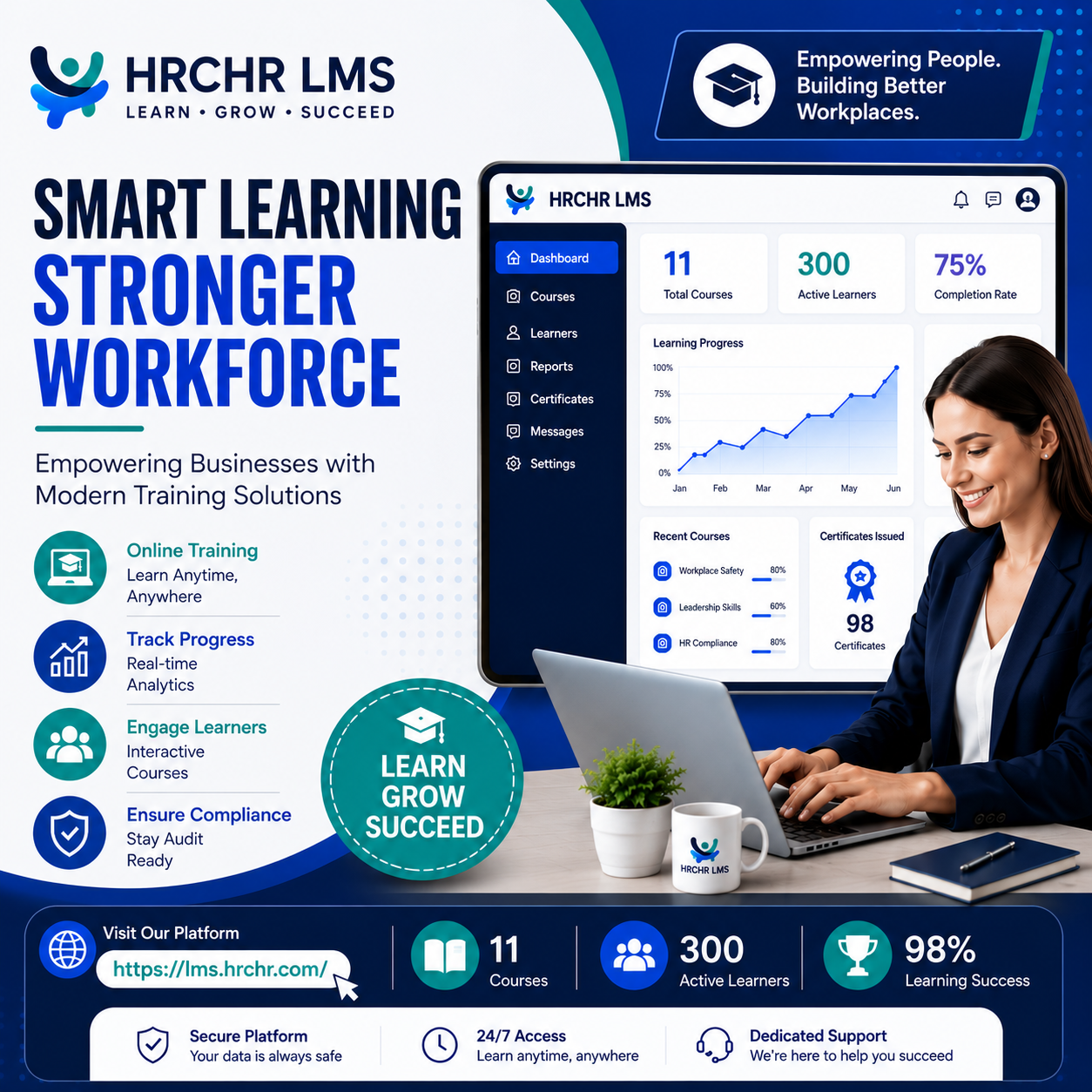
Modern Employee Training Solutions with HRCHR LMS
Sun, 24 May 2026

Leave a comment